


How Do I Choose a Reliable HVAC Spare Parts Supplier? Eight Checks Before You Place an Order
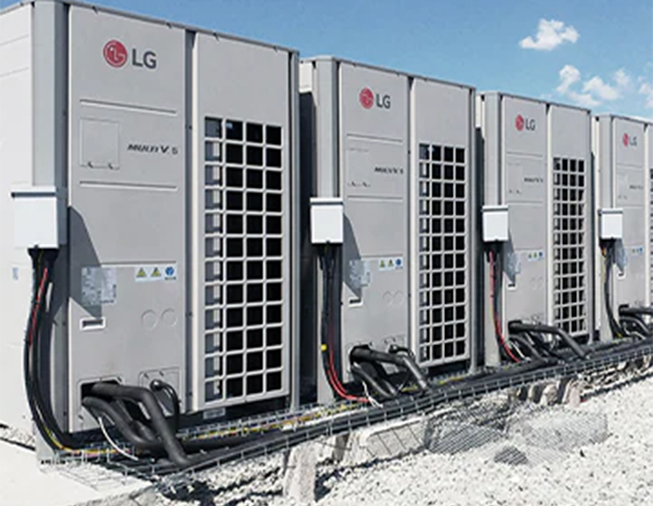
A failed compressor contactor or a dead fan motor never arrives at a convenient time. When the part you ordered turns out to be the wrong one, or turns up three weeks late, the repair needs a second visit and the building keeps heating up. A cheaper part that fails after two months costs more than a dearer one that lasts, once labour and downtime are counted. That’s why the supplier deserves as much scrutiny as the part itself. If your team keeps asking, “How do I choose a reliable HVAC spare parts supplier?”, these eight checks will help you decide before the order goes in.
Eight Checks Before You Place an Order
Check 1: Confirm Authorised Dealer Status With the Manufacturer
Start with who the supplier is allowed to sell for. Among HVAC spare parts suppliers in the UAE, some are authorised by the manufacturer, and some simply resell whatever they can source. Ask for proof of authorisation, or confirm it with the manufacturer directly. DCI, for example, is the LG distributor for chillers and VRF systems in the UAE and an authorised dealer for LG HVAC spare parts. That kind of status is easy to verify, and it’s the first thing to ask any supplier for. It can also give you a direct route to the manufacturer’s technical support.
Check 2: Ask Whether Parts Are Genuine, OEM or Aftermarket
Genuine and OEM parts come from the original manufacturer or its approved maker. Aftermarket parts are made by other companies to fit the same equipment, and quality and price vary a lot. Neither is automatically a bad choice, but you should know which one you’re buying. When you compare air conditioning spare parts suppliers in the UAE, ask each one to state the type for every item, and get it written on the quotation instead of promised on a call. If a supplier turns vague when you ask, treat that as useful information. A confident supplier will tell you where a part comes from without being pushed.
Check 3: Match Every Part to Your Exact Equipment Model
A part that looks right can still be wrong. Capacities, refrigerant types and control boards differ between models, and sometimes between production years. Send the supplier the model and serial number from the equipment nameplate, plus a photo of the old part, and ask them to confirm compatibility before anything ships. A supplier who orders on a guess is passing the risk to you.
Check 4: Check Stock Levels and Lead Times for Critical Parts
Ask what is held in stock locally and what has to be ordered in. The answer matters more than most people expect, because specialised parts for chillers or VRF systems can take time to arrive, and a cooling failure in summer can’t wait. When you compare HVAC parts suppliers in Dubai, get a delivery date in writing and ask what happens if it slips. A good supplier can also suggest which spares are worth holding on your own site, so the next failure doesn’t turn into an emergency.
Check 5: Look for Technical Knowledge Behind the Sales Desk
Someone who only moves boxes can’t tell you why a part failed. Look for a supplier whose technicians work on real equipment. HVAC equipment suppliers in the UAE that also service what they sell see failures first-hand, so they can warn you when a part is failing for a different reason. DCI, for instance, supplies chillers, VRF systems and air handling units, and its team services equipment from LG, Carrier, York, Trane and McQuay. A simple test is to ask which components tend to wear out first on your model and what usually causes it. The quality of that answer shows how much real experience sits behind the sales desk.
Check 6: Read the Warranty and Returns Terms
Before ordering, ask whether the part carries a warranty, how long it lasts and who honours it, the supplier or the manufacturer. Ask what happens if the part arrives damaged or turns out to be incompatible. Return terms are easy to agree on before the sale and very hard to argue about afterwards. Keep in mind that a warranty on paper is only as good as the company behind it, so check that the supplier will still be reachable when you need to make a claim.
Check 7: Request Proper Documentation for Every Order
A reliable supplier gives you a clear paper trail. That means the exact part number, a proper invoice and, where relevant, the manufacturer’s information about the item. The trail helps your maintenance records, and it lets you trace the part if something goes wrong later. Be wary of quotations that describe items in loose terms, such as “compressor, big size”.
Check 8: Test After-Sales Support Before You Need It
Send a technical question before you order and see what comes back. Is the reply quick, specific and written by someone who knows the equipment? The way a supplier treats you before the sale is usually the best preview of how they’ll treat you when a part fails. Ask who you will actually deal with, because a named contact is better than a general inbox. It also helps if they have a working phone line and a physical office, since a supplier you can reach is easier to hold to account.
Choosing a Supplier With Confidence
Asking “How do I choose a reliable HVAC spare parts supplier?” leads to a short list of habits. Verify authorisation, know which type of part you’re buying, match it to your model, confirm stock, test their expertise, read the warranty, keep the paperwork and try their support. No supplier is perfect, so use these checks to compare candidates side by side, and note any answer you can’t get in writing. A supplier that passes most of them is worth keeping. If you need parts or service support for chillers, VRF systems or other HVAC equipment, contact DCI at dci-me.com.